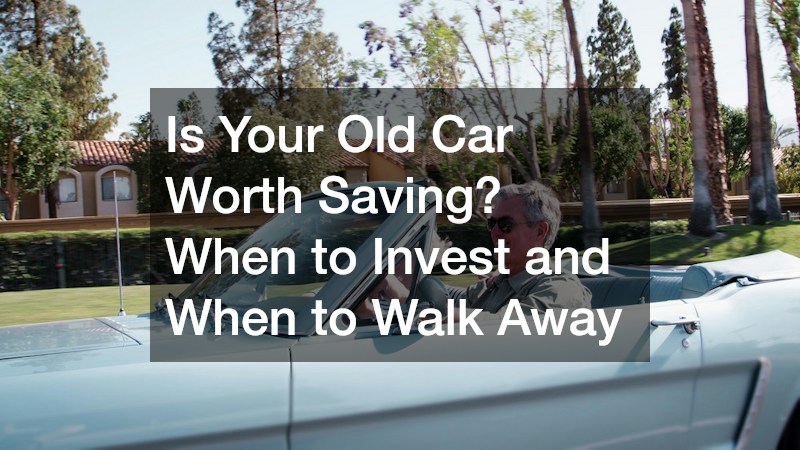
Every driver eventually faces the same crossroads. You turn the key, and instead of a smooth idle, you are greeted by an expensive-sounding clatter, a puddle of mysterious fluid in the driveway, or a repair estimate that rivals the Kelly Blue Book value of the vehicle itself. The sentimental attachment to an older vehicle can be incredibly strong, but there is a thin line between preserving a reliable classic and throwing good money into a bottomless pit. Deciding whether to save your aging vehicle requires a cold, hard look at the mechanics, the cosmetics, and the true cost of modernizing an aging chassis. Ignoring these warning signs will only accelerate the inevitable drain on your wallet.
Committing to a Full Bumper-to-Bumper Revamp
When a vehicle reaches a certain age, fixing a single failing component is rarely enough. You fix the water pump, only to realize the radiator is cracked. You replace the radiator, and suddenly the heater core gives out under the restored pressure. Taking on a comprehensive project requires setting a strict budget and understanding the sheer scale of the labor involved. Before turning a single wrench, evaluate the structural integrity of the chassis. If the frame is bent from a previous accident or severely compromised by structural rot, walking away is usually the smartest financial decision. A thorough inspection by a trusted body shop before you begin can save you from discovering fatal flaws halfway through the tear-down.
However, if the bones of the vehicle are solid and the model holds a strong resale value or personal significance, breathing new life into it can be highly rewarding. A true car restoration is a massive undertaking that strips a vehicle down to its barest components and rebuilds it to factory or better-than-factory standards. This level of commitment means you aren’t just fixing what is broken; you are preemptively replacing aging wear items so the vehicle can reliably serve you for another decade. The decision here hinges on math: if the cost of the overhaul is less than a down payment and a year of monthly payments on a new vehicle, keeping the old chassis on the road often makes financial sense. Plus, there is a unique, undeniable pride that comes with keeping a classic on the road instead of sending it to the crusher.
Smoothing Out Decades of Exterior Damage
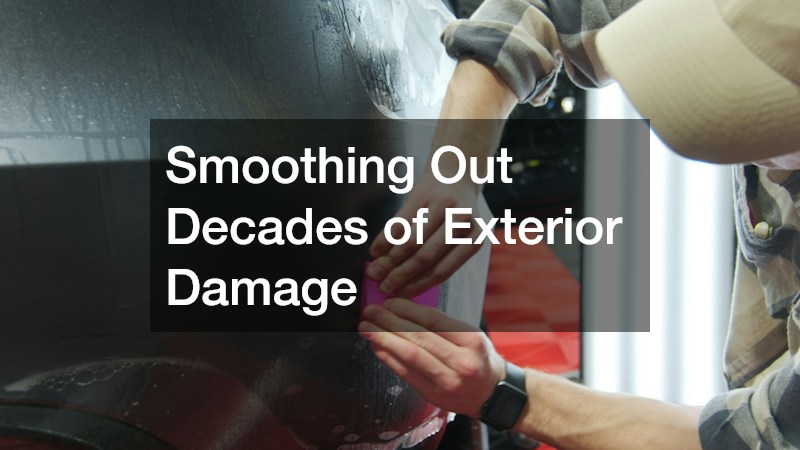
Time is rarely kind to a vehicle’s exterior. Years of highway commuting leave front bumpers peppered with rock chips, while shopping mall parking lots accumulate a constellation of door dings. More concerning is rust, the silent killer of older vehicles. Surface rust on a fender can be sanded and neutralized, but bubbling paint around the wheel arches or rocker panels usually indicates that moisture has compromised the metal from the inside out.
Addressing these cosmetic and structural issues is crucial if you plan to keep the vehicle long-term. Extensive auto body repairs can quickly become one of the most expensive phases of saving an older car, heavily dependent on the cost of skilled labor. A cheap paint job will begin peeling within a year, while a professional respray requires removing windows, trim, and weather stripping. If the vehicle requires multiple replacement panels, custom welding, and a full-body respray, the cosmetic bill alone can easily exceed five thousand dollars. At this stage, you must ask yourself if the flawless exterior is strictly necessary for a daily driver, or if you can live with the patina while investing your budget into the mechanicals.
Modernizing Your In-Cabin Audio Experience
One of the most jarring aspects of driving a vehicle from the early 2000s or older is the archaic interior technology. You might have a perfectly functioning engine and a flawless exterior, but relying on a cassette deck, a skipping CD player, or a static-filled FM transmitter makes the daily commute feel significantly older than it needs to. Modern drivers expect seamless smartphone integration, hands-free calling, and digital navigation.
Thankfully, updating the cabin tech is one of the highest-ROI investments you can make in an older vehicle’s livability. Ripping out the factory head unit and integrating a modern auto sound system completely changes the daily driving experience. Installing a digital touchscreen receiver with Apple CarPlay or Android Auto brings a twenty-year-old dashboard firmly into the modern era. Paired with upgraded door speakers and fresh wiring, this modernization effort tricks your brain into feeling like you are driving a much newer vehicle, which can easily stave off the temptation to visit a new car dealership.
Shielding the Exterior From Future Road Debris
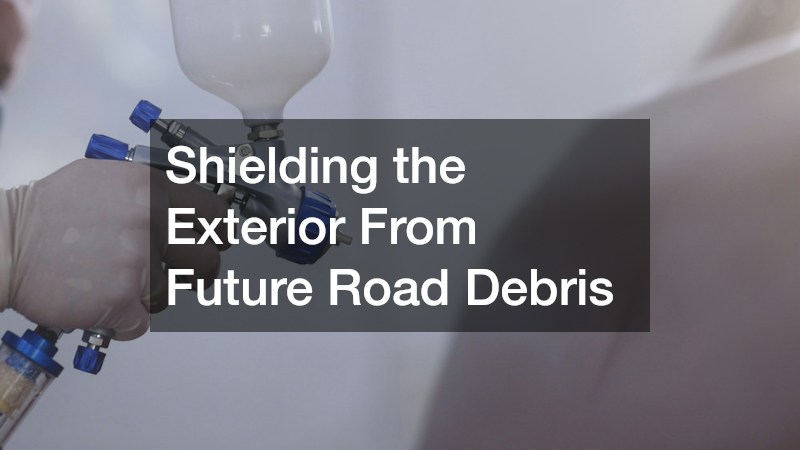
If you make the significant financial leap to repair the exterior and lay down fresh paint, your immediate next step should be protecting that investment. Modern automotive paint, while environmentally friendlier than the lead-based mixtures of the past, is notoriously prone to chipping and scratching. The first time a semi-truck kicks up a piece of gravel onto your newly painted hood, you will regret leaving the clear coat exposed to the elements.
The most effective barrier against this wear and tear is an auto paint protection film. Applying this durable, transparent urethane layer across the high-impact areas of the vehicle—specifically the front bumper, the leading edge of the hood, and the side mirrors—acts as an invisible shield. The urethane absorbs the kinetic energy of flying debris, preventing it from piercing the color layer underneath. While professional installation adds to the overall budget of reviving your car, it guarantees that your expensive cosmetic investments survive the harsh realities of highway driving.
Reducing Cabin Heat and Harmful Glare
Older vehicles often suffer from severely degraded interiors. Dashboards crack under the relentless beating of the summer sun, leather seats dry out and split, and cloth upholstery fades to a dull, washed-out hue. If you are investing time and money into saving the car, preserving the interior materials is just as important as maintaining the engine block. The greenhouse effect inside a parked car bakes the plastics, leading to the brittle, squeaking dashboards synonymous with aging vehicles.
Applying a high-quality ceramic windshield tint is an incredibly effective way to drastically lower interior cabin temperatures and block up to 99% of harmful UV rays. Unlike traditional dyed films that simply darken the glass, modern ceramic options reject solar heat radiation without severely compromising nighttime visibility. This upgrade not only protects the upholstery and dashboard from further UV degradation but also reduces the strain on your older vehicle’s air conditioning compressor, allowing the cabin to cool down much faster during peak summer months.

Sourcing Third-Party Components on a Budget
Bringing a neglected vehicle back to a reliable state requires a mountain of replacement parts. If you march directly to the local dealership and order Original Equipment Manufacturer (OEM) parts for every single component, you will bankrupt your project before the vehicle ever leaves the garage. Dealerships charge a massive premium for parts stamped with the automaker’s logo, and for a vehicle that is ten or fifteen years old, OEM parts may even be permanently discontinued.
The secret to saving a vehicle without draining your savings account lies in navigating the world of aftermarket car parts. Third-party manufacturers often produce replacement components that meet or exceed the original factory specifications at a fraction of the cost. In many cases, these third-party companies actually manufacture the parts for the automaker in the first place, simply selling the exact same component without the branded box. Whether you are hunting for upgraded suspension bushings, aluminum radiators, or performance brake rotors, sourcing off-brand alternatives is the smartest way to keep your revitalization budget in the green.
Knowing Where to Find Fresh Rubber
A vehicle that has been sitting idle for years, or one that has simply been neglected, is incredibly dangerous to drive on the highway, largely due to the condition of the tires. Rubber compounds degrade over time through exposure to oxygen and UV light, a process known as dry rotting. Even if an old tire has plenty of visible tread depth remaining, the structural integrity of the sidewall may be entirely compromised. Driving on expired tires is a blowout waiting to happen.
When evaluating the cost of saving your car, factor in a brand new set of tires immediately. Finding a reputable tire dealer who can recommend the right compound for your driving style—whether that is a high-mileage all-season touring tire or a sticky summer performance setup—is crucial. Do not hunt for used tires to save a few dollars; the contact patch between your vehicle and the pavement is the single most important safety feature on the entire car. If you cannot afford to replace ancient, cracking rubber, you cannot afford to safely put the vehicle back on the road.
Ensuring Your Vehicle Tracks Straight
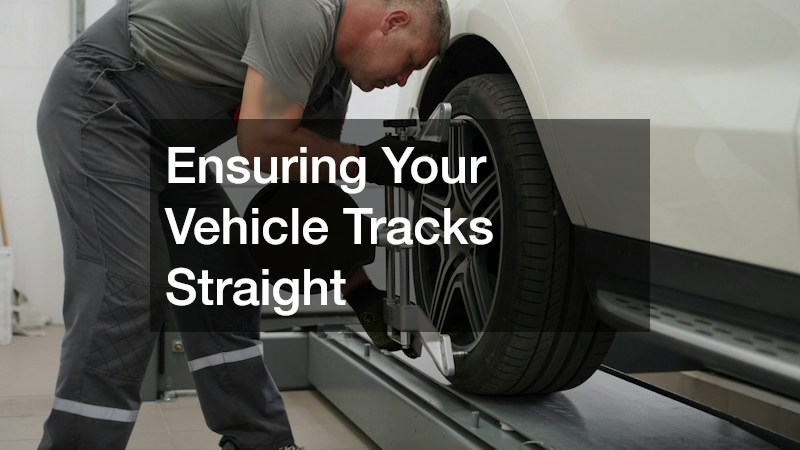
Once you have bolted on fresh suspension components and mounted brand new tires, the vehicle is still not ready for a cross-country road trip. Older cars suffer from decades of pothole impacts, curb strikes, and general chassis fatigue. The geometry of the suspension arms and steering linkages gradually shifts out of factory specification. If left unaddressed, this geometric imbalance will cause the vehicle to pull heavily to one side, drastically reduce high-speed stability, and chew through your expensive new tires in a matter of months.
Booking a professional wheel alignment is the mandatory final step of any major suspension or chassis work. Using laser-guided sensors, technicians adjust the camber, caster, and toe angles to ensure the wheels are perfectly parallel to each other and perpendicular to the road surface. This not only preserves the lifespan of your new rubber but dramatically improves the steering feel and cornering confidence of the older chassis, making it drive just as sharply as it did the day it rolled off the assembly line.
Diagnosing Slipping Gears and Rough Shifts
We now arrive at the critical mechanical thresholds that dictate whether a vehicle is actually worth saving. You can bolt on all the cosmetic upgrades and fresh tires you want, but if the drivetrain is fundamentally compromised, the vehicle is nothing more than a heavy driveway ornament. The gearbox is often the most complex and expensive system to troubleshoot. If your automatic gearbox hesitates heavily before engaging drive, forcefully slams into gear, or refuses to shift at the correct RPM, the internal clutch packs and valve bodies are likely failing.
Choosing to authorize a major transmission repair requires a serious conversation with your mechanic. Unlike minor sensor issues or fluid flushes, opening up a gearbox to replace internal bands and synchros requires immense labor hours. In many cases, it is more cost-effective to source a low-mileage used unit from a salvaged vehicle than to pay a specialist to rebuild your broken one. If the repair quote approaches three or four thousand dollars on a car valued at five, this is often the exact moment where financial logic dictates walking away and selling the chassis for parts.
Overhauling the Heart of Your Vehicle
The ultimate test of your dedication to an older vehicle lies beneath the hood. When an engine begins consuming a quart of oil every week, blowing thick blue smoke from the tailpipe, or developing a deep, rhythmic knocking sound from the bottom end, catastrophic failure is imminent. The internal bearings, piston rings, and cylinder walls have worn past their serviceable limits. You are faced with the heaviest decision in automotive ownership: scrap the car, or pull the engine entirely.
Undertaking complete car engine rebuilds is a massive logistical and financial challenge. The process involves removing the entire motor, sending the block to a machine shop to be honed and decked, and replacing every internal bearing, gasket, and piston. It essentially resets the mechanical clock of the vehicle to zero miles. If the vehicle is a rare classic, a beloved family heirloom, or a highly sought-after enthusiast chassis, this extreme investment is easily justified. However, for a standard commuter sedan with fading paint and a tearing interior, a dead engine is the universal signal that the car has given you everything it had, and it is finally time to hand over the keys to the scrapyard.