High-mileage cars require consistent attention to ensure longevity, performance, and safety. While older vehicles may seem prone to more frequent issues, following a structured maintenance routine can prevent costly repairs and extend their life. High-mileage vehicles face unique challenges, from worn suspension components to aging electronics and body panels.
A well-maintained car not only runs smoother but also retains its value and reliability. Many drivers underestimate the importance of regular upkeep, which can lead to premature wear, breakdowns, and unexpected repair costs. By following critical maintenance steps, owners of high-mileage cars can enjoy a safer, more efficient, and more enjoyable driving experience.
This guide explores 11 essential car maintenance steps every high-mileage vehicle needs. Each section highlights specific actions and professional services to keep your car performing at its best, covering everything from engine care to cosmetic protection.
1. Routine Engine Checks and Fluids
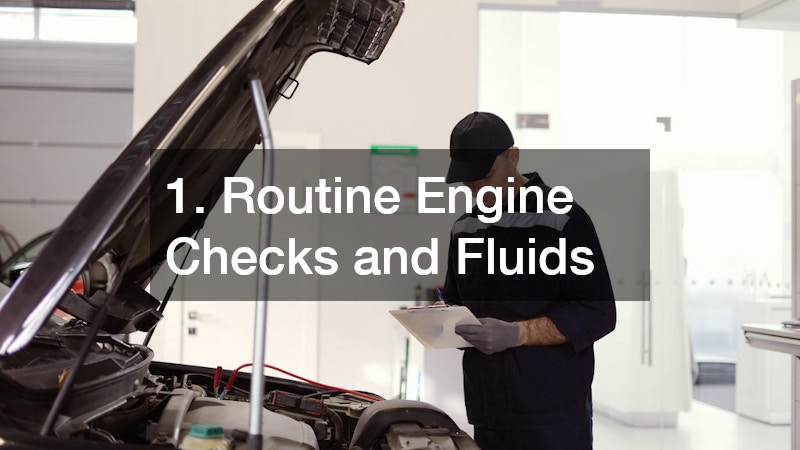
Consistent engine care is the foundation of car maintenance. High-mileage vehicles are particularly vulnerable to leaks, sludge buildup, and worn seals. Regularly checking oil levels, coolant, brake fluid, and transmission fluids prevents damage and maintains performance.
Working with a trusted car mechanic ensures that all fluids are replaced according to manufacturer guidelines. Professionals can also detect minor leaks or signs of engine wear before they escalate into significant problems. Oil changes, for example, not only lubricate internal components but also remove contaminants that can accelerate engine wear.
Ignoring fluid maintenance can lead to overheating, poor fuel efficiency, and even engine failure. By maintaining a structured engine care routine, high-mileage cars remain reliable, efficient, and safe. A proactive approach also reduces the likelihood of costly emergency repairs, keeping your vehicle on the road longer.
2. Brake System Inspections
Brakes are crucial for safety, particularly in older cars where wear and tear accumulate. Regular inspections of pads, rotors, and brake lines ensure responsive stopping power and prevent dangerous situations on the road.
Local auto repairs professionals provide in-depth checks, measuring pad thickness, evaluating rotor condition, and assessing fluid integrity. These experts can replace worn components and bleed systems as needed to maintain optimal braking performance.
High-mileage vehicles are more prone to uneven wear and corrosion, making preventive maintenance essential. Failing to maintain brakes not only increases stopping distance but also causes additional wear on suspension components. Routine brake care enhances safety, reliability, and peace of mind for drivers and passengers alike.
3. Tire Care and Alignment
Tires are the only point of contact between your vehicle and the road, making proper maintenance critical. High-mileage cars often experience uneven tire wear, reduced traction, and vibration issues due to worn suspension components.
Regular tire rotation, balancing, and alignment checks by a professional car mechanic extend tire life and improve handling. Inspecting tire pressure and tread depth also contributes to safety, fuel efficiency, and comfort.
Neglecting tire care can result in blowouts, poor steering response, and uneven wear that affects suspension systems. High-mileage vehicles benefit from scheduled tire maintenance, ensuring that tires wear evenly and perform consistently under various driving conditions. Well-maintained tires also improve braking performance and reduce the risk of accidents.
4. Suspension and Steering Maintenance
Worn suspension parts in older vehicles can lead to handling issues, uneven tire wear, and compromised comfort. Regular checks of shocks, struts, bushings, and steering components are critical for safe and smooth driving.
A car mechanic can inspect the suspension system, identify worn parts, and replace components as needed. Proper maintenance prevents rattling, poor steering response, and excessive bouncing that can be dangerous at high speeds.
Suspension issues often go unnoticed until they cause secondary damage, including tire wear or alignment problems. Proactively servicing suspension components ensures stability, enhances ride quality, and reduces the likelihood of costly repairs. This is especially important for vehicles that frequently carry heavy loads or drive on rough terrain.
5. Exhaust System Care
The exhaust system is often overlooked but is essential for safety, performance, and fuel efficiency. Components like the car muffler, catalytic converter, and pipes can rust, crack, or loosen over time, leading to noise, emissions issues, and potential hazards.
Car muffler specialists or auto shops can inspect the system, repairing leaks or replacing damaged parts. Maintaining a functional exhaust reduces harmful emissions and improves engine efficiency.
High-mileage vehicles are particularly susceptible to corrosion and fatigue in exhaust components. Regular inspections prevent exhaust fumes from entering the cabin and avoid fines for emission noncompliance. Well-maintained exhaust systems also enhance overall vehicle performance and comfort.
6. Cosmetic Protection and Auto Body Care
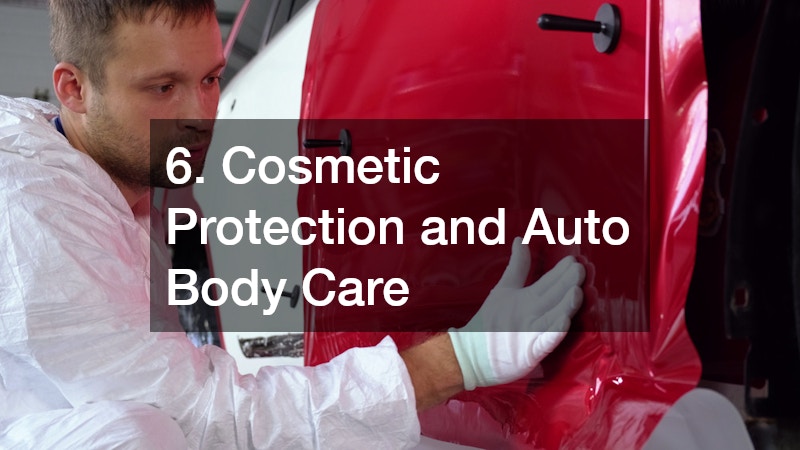
Maintaining a car’s exterior protects its resale value and prevents deterioration. Over time, exposure to sunlight, road salt, rain, and debris can erode paint and protective coatings, leading to rust, fading, and weakened body panels. Auto ceramic coating provides a durable layer against scratches, UV rays, and environmental damage, keeping the paint looking fresh even on older vehicles.
High-mileage cars benefit from consistent exterior care, whether through washing, waxing, or professional coatings. These steps maintain curb appeal, reduce corrosion, and make cleaning easier. Protecting the body and finish also reduces long-term maintenance costs and enhances pride of ownership.
Auto body repair services handle dents, rust spots, and other imperfections that accumulate over time. Tackling these cosmetic issues early prevents them from worsening and causing more significant structural concerns. Repairing small imperfections promptly also avoids costly replacements of panels or additional labor to fix progressive damage.
7. Electrical System Checks
High-mileage vehicles often face battery and electrical system challenges due to age, wear, and consistent use. Over time, batteries lose their capacity, connectors corrode, and wiring insulation can degrade, leading to intermittent or complete failures. These issues can affect essential functions such as starting the engine, powering lights, or operating safety systems, and if left unchecked, they may result in inconvenient or dangerous breakdowns on the road.
Regular inspections by certified auto shops help identify early signs of trouble. Technicians can test battery health, alternator output, fuse integrity, and the condition of electrical connectors. Early detection allows worn or corroded components to be replaced before they cause system failures. Small issues, such as flickering dashboard lights, slow engine cranks, or malfunctioning infotainment systems, are far easier and less costly to address when caught promptly.
Preventive electrical maintenance also safeguards other vehicle systems. Modern cars rely heavily on electronics for engine management, ABS brakes, airbags, and climate control. Faulty wiring or weak batteries can compromise these functions, creating safety risks or causing other components to fail prematurely. For vehicles with aftermarket upgrades, additional electronics, or advanced technology packages, maintaining clean, secure, and properly connected wiring is critical. Consistent care ensures that high-mileage cars remain reliable, safe, and capable of performing optimally under all conditions, reducing stress for drivers and preventing expensive emergency repairs.
8. Regular Car Wash and Protection
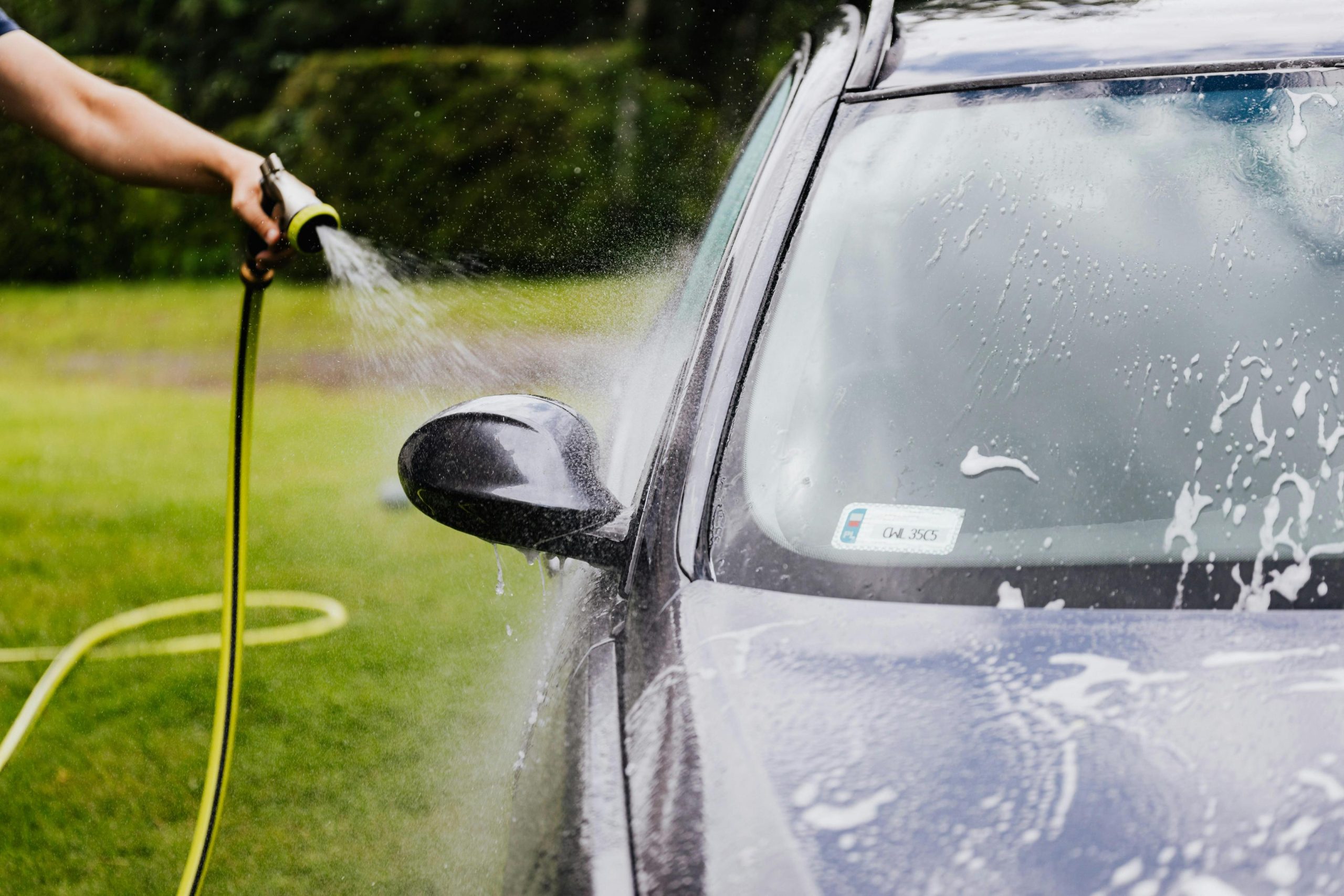
A clean vehicle is not just about aesthetics—it plays a crucial role in protecting your investment. Regular car wash service removes accumulated dirt, road salt, grime, and other environmental contaminants that can accelerate corrosion, fade paint, and degrade trim over time. This is especially important for high-mileage vehicles, where years of exposure can leave the exterior vulnerable to wear and tear. Consistent washing prevents build-up that could otherwise lead to costly repairs, including rust treatment or panel replacement.
When combined with auto ceramic coating, routine cleaning becomes even more effective. Ceramic coatings create a durable protective layer that shields paint from UV rays, acid rain, bird droppings, and minor scratches. Professional application ensures complete coverage, including difficult-to-reach areas like wheel wells, undercarriages, and around trim. The coating not only enhances shine but also makes subsequent cleaning easier and less abrasive, reducing long-term damage.
Maintaining a clean exterior also provides practical benefits beyond protection. A well-maintained surface makes it easier to inspect the vehicle for minor issues, such as small dents, chips, or beginning signs of rust, allowing timely intervention before problems escalate. Wheels, chrome, and rubber trim remain in better condition, preserving both appearance and resale value. For owners of high-mileage cars, the combination of regular car wash service and professional ceramic coating extends the life of the vehicle’s exterior, supports overall maintenance, and keeps it looking and performing at its best for years to come.
9. Specialty Upgrades and Truck Maintenance
For trucks and larger vehicles, maintaining specialized components is critical to ensure safety, performance, and longevity. Truck lift kits, for example, alter the vehicle’s suspension geometry and can put additional stress on steering, shocks, and drive axles. Regular inspection is essential to confirm that all bolts, brackets, and components remain properly aligned and that wear is distributed evenly across the suspension system. Neglecting these adjustments can lead to uneven tire wear, handling issues, or accelerated damage to other drivetrain components.
Truck maintenance extends beyond lift kits. High-mileage trucks require careful monitoring of brake lines, differentials, CV joints, and other load-bearing parts. Heavy loads, off-road use, or towing can intensify stress on these components, making preventative care vital. A knowledgeable car mechanic or a specialized auto shop familiar with lifted trucks can recommend proper maintenance intervals, lubrication schedules, and component checks that help prevent failures before they occur.
Specialty attention also includes drivetrain evaluation, steering alignment, and inspection of shock absorbers and leaf springs. Addressing issues proactively reduces the risk of costly breakdowns, improves safety, and maintains reliable performance under heavy-duty conditions. Routine checks ensure that lifted or modified trucks retain proper handling, ride comfort, and towing capability. By prioritizing specialized maintenance, owners of high-mileage trucks can maximize longevity, preserve resale value, and enjoy confidence on both daily commutes and demanding work assignments.
10. Heating, Cooling, and Air Systems
AC tune ups are essential for older vehicles, as air conditioning systems naturally lose efficiency over time. Ensuring proper refrigerant levels, inspecting compressor function, and maintaining optimal airflow keep the cabin comfortable and prevent unnecessary strain on the engine. In high-mileage cars, a poorly performing AC can lead to overheating issues or increased fuel consumption, making routine attention even more critical.
During a professional service, technicians check for leaks in hoses and fittings, inspect electrical connections, and clean or replace air filters that may have accumulated dust and debris. These small but crucial steps prevent reduced cooling performance and help avoid sudden breakdowns on hot days. Early detection of minor issues, such as a slightly low refrigerant charge or a weakening compressor clutch, can save drivers from costly repairs or full system replacements later.
Beyond comfort, consistent AC tune ups improve energy efficiency and protect related components, including the condenser, evaporator, and blower motor. Regular maintenance ensures that the system operates smoothly, reduces wear on the engine, and maintains optimal air circulation throughout the cabin. In extreme weather conditions, a well-maintained AC system provides reliable cooling and defogging capabilities, enhancing safety by keeping windows clear and passengers comfortable. For high-mileage vehicles, proactive AC care is a simple yet effective way to preserve vehicle performance, reduce repair costs, and avoid stress during the summer months.
11. Routine Inspections and Professional Services
Consistent overall inspections tie all car maintenance efforts together. Visiting reputable auto shops ensures that all systems—from brakes to suspension, exhaust to electronics—are reviewed comprehensively.
Working with a car mechanic allows for coordinated care, early detection of issues, and professional advice on preventive measures. Local auto repairs provide reliable support for emergency or unexpected repairs, ensuring your high-mileage vehicle remains safe and dependable.
Neglecting regular inspections can result in cascading problems that are more expensive and time-consuming to repair. A structured maintenance schedule protects the car’s value, performance, and safety, keeping it road-ready for years.
High-mileage cars demand consistent care across mechanical, electrical, cosmetic, and specialty systems. From engine checks to AC tune ups, suspension care, and exterior protection, each maintenance step plays a critical role in safety, reliability, and longevity.
Engaging professionals for auto ceramic coating, local auto repairs, truck maintenance, or garage door upgrades ensures that every system functions correctly while minimizing stress on the owner. Attention to routine inspections, specialty components, and preventive servicing prevents costly emergencies and maintains comfort, efficiency, and performance.
By following these 11 critical maintenance steps, owners of high-mileage vehicles can enjoy predictable performance, a safe driving experience, and the confidence that their car will remain reliable for years to come. Regular upkeep is not just about fixing problems—it’s about protecting your investment, enhancing safety, and extending the life of your vehicle.