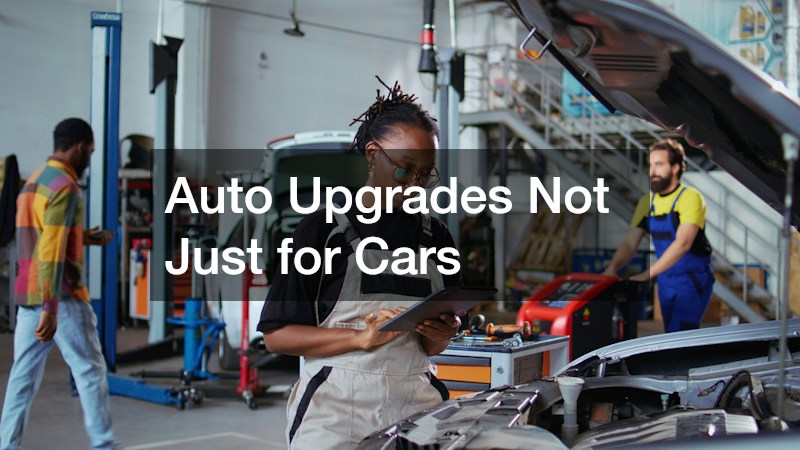
When enthusiasts speak about aftermarket enhancements, the conversation typically revolves around sports sedans, classic muscle cars, or modern off-road trucks. However, the world of mechanical modifications and performance enhancements extends far past the boundaries of standard passenger vehicles. Today, a growing community of enthusiasts, commercial operators, and long-distance travelers are transforming other modes of transportation into high-performance, ultra-reliable, and fully customized machines. From heavy-duty motorhomes navigating cross-country highways to agile two-wheelers navigating urban environments, the modern aftermarket industry offers specialized solutions designed to elevate power, durability, and comfort across a vast spectrum of transportation platforms.
Understanding how mechanical improvements apply to diverse transport types requires looking at the unique demands placed on each vehicle class. Heavy motorhomes require specialized thermal management, climate control, and structural integrity to endure thousands of miles of varied weather. Commercial delivery vans and work platforms depend on powertrain longevity and ergonomic equipment to maintain daily operational efficiency. Meanwhile, two-wheeled platforms demand precision tuning, light weight, and refined aesthetics to deliver a tailored riding experience. Upgrades in these specialized sectors are not merely cosmetic; they represent targeted engineering solutions that directly improve safety, efficiency, and overall operational lifespan.
Investing in specialized improvements also redefines how owners interact with their machinery. Modern technology, advanced material science, and precision engineering have made high-end mechanical components more accessible than ever before. Owners no longer need to rely strictly on factory specifications or standard replacement parts. By looking at alternative transportation platforms through the lens of targeted optimization, it becomes clear that any machine with an engine, frame, or structural foundation can benefit from thoughtful mechanical refinements. Exploring these specialized avenues opens up new possibilities for performance, reliability, and total personalized utility.
Maximizing Adventure through Recreational Platform Enhancements
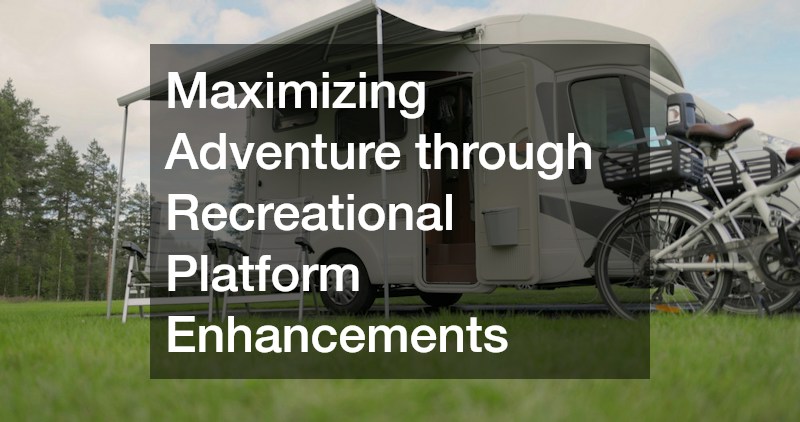
Recreational transport platforms present a unique engineering challenge due to their combination of heavy chassis components and residential living quarters. Enhancing these massive platforms requires balancing road performance with internal comfort, ensuring that the vehicle operates seamlessly both while traveling at highway speeds and while parked at a remote campsite.
Maintaining Peak Climate Control Efficiency
Maintaining an ideal internal environment is essential during long-distance travels, especially when traversing regions with extreme ambient temperatures. A fully functioning climate unit ensures that the cabin remains comfortable regardless of outside heat index levels. When system efficiency drops, prompt rv ac repair becomes critical to preventing electrical overload and maintaining low interior humidity levels during summer trips. System upgrades often involve installing high-efficiency compressors, soft-starting capacitors that reduce generator load, and digital programmable thermostats that offer fine-tuned temperature management.
Structural Fortification and Moisture Defense
The structural integrity of a mobile living environment depends heavily on how well its upper exterior barrier resists water intrusion and UV degradation. Continuous exposure to sunlight and harsh atmospheric conditions can cause materials to dry out, crack, or pull away from seams over time. Owners frequently consult local rv roofs specialists to evaluate seam integrity, structural decking, and sealant flexibility before embarking on extended journeys. Investing in professional rv roof sealcoating services provides an additional durable polymer layer that reflects harmful ultraviolet rays, seals microscopic cracks, and dramatically extends the overall lifecycle of the underlying roof substrate.
Chassis Stabilization and Suspension Optimization
Driving a large recreational vehicle along windy highways or uneven roads requires exceptional stability and control. Seeking out comprehensive RV services that specialize in suspension retrofits allows owners to upgrade their chassis with heavy-duty sway bars, polyurethane bushings, and custom-tuned shock absorbers, significantly reducing body roll and driver fatigue. Additionally, installing automatic hydraulic leveling systems allows for rapid, precise stabilization upon reaching a destination, preventing unnecessary strain on the frame and keeping interior appliances functioning at optimal angles.
Off-Grid Power Upgrades and Solar Solutions
Modern adventure travelers frequently venture beyond fully equipped campgrounds, making off-grid energy independence a top priority. Upgrading energy systems with lithium-iron-phosphate battery banks offers significantly higher energy density and faster charging cycles than traditional lead-acid options. Pairing these advanced batteries with roof-mounted solar arrays and high-capacity pure sine wave inverters allows owners to run sensitive electronics and residential appliances without constant reliance on noisy external generators.
Optimizing Commercial Van Operations and Heavy Machinery
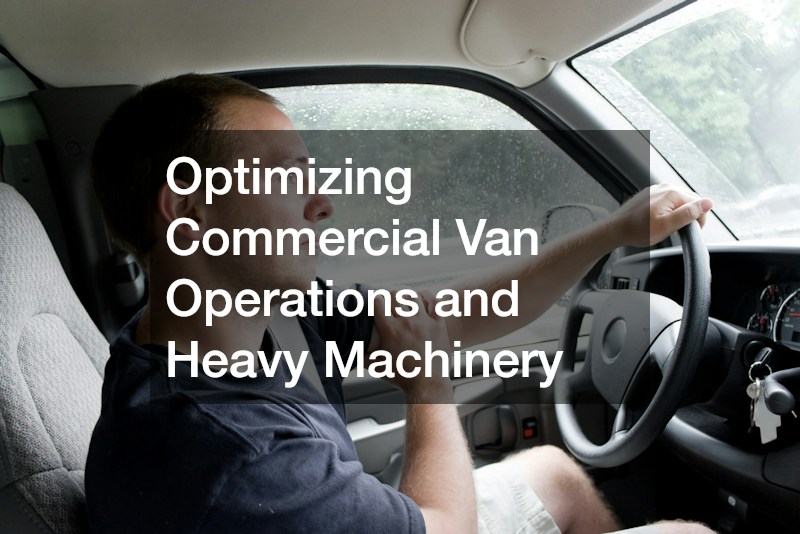
Commercial fleets and custom utility platforms endure rigorous daily use, making durability and mechanical efficiency top priorities for operators. Enhancing these working platforms involves reinforcing structural components, maximizing engine reliability, and installing functional equipment that streamlines daily workflows.
Powertrain Longevity and Engine Swaps
For commercial transport platforms and heavy trucks that cover high mileage, engine wear is an inevitable operational reality. Rather than replacing an entire vehicle when the primary powerplant reaches the end of its service life, many fleet managers turn to remanufactured diesel engines as a cost-effective, high-reliability solution. These factory-overhauled powerplants are completely disassembled, machined to exact original tolerances, and upgraded with modern internal components to deliver original equipment performance while minimizing total downtime and capital expenditure.
Fleets and Utility Fleet Maintenance Strategy
Keeping working vans on the road requires a proactive approach to mechanical maintenance and structural upkeep. Routine vehicle maintenance schedules should prioritize steering linkage inspections, transmission fluid flushes, and braking component replacements tailored to heavy-load demands. Comprehensive van repairs ensure that small issues, such as minor turbocharger leaks or suspension noise, are resolved before they escalate into major mechanical failures that halt daily business operations.
Functional Ergonomics and Access Gear
Utility vehicles often require specialized equipment to handle heavy cargo and facilitate safe loading operations. Installing high-capacity vehicle lifts enables technicians to easily load industrial equipment, mobility devices, or heavy materials into the cargo hold without physical strain. Furthermore, interior modular shelving, heavy-duty floor liners, and external ladder racks turn standard commercial cabins into efficient, mobile workshops designed for maximum daily productivity.
Telematics and Fleet Management Integration
Beyond physical hardware, modern commercial platforms benefit immensely from smart technological integration. Installing onboard diagnostic hardware paired with telemetry tracking software provides real-time visibility into engine health, fuel consumption, and driver behavior patterns. Predictive maintenance alerts derived from this data allow managers to schedule repairs proactively during scheduled downtime, thereby eliminating sudden on-road breakdowns and reducing overall fleet operational costs.
Advanced Engineering Solutions for Specialized Starters

High-compression powerplants and heavy-duty industrial engines demand exceptional cranking torque to start reliably, particularly in cold environmental conditions or following mechanical performance modifications. Standard starting mechanisms often struggle to turn over high-displacement power assemblies without drawing excessive electrical current.
Cranking Dynamics and High-Torque Gear Systems
High-performance starting systems rely on gear reduction mechanics to multiply motor torque while reducing total electrical draw from the battery. Modern offset gear reduction starters utilize an internal planetary or offset gear set that allows a smaller, faster-spinning electric motor to crank heavy flywheels with minimal resistance. This mechanical advantage ensures rapid engine ignition, reduces thermal stress on internal electrical wiring, and provides consistent starting reliability across high-compression gasoline and diesel configurations.
Electrical System Support and Wiring Upgrades
An advanced starting assembly requires a robust electrical infrastructure to function at maximum output. Upgrading main battery cables to low-resistance gauge wire ensures full voltage delivery to the starting motor during high-demand ignition cycles. Installing high-output alternators and heavy-duty deep-cycle batteries further protects the electrical system from voltage drops, preventing premature wear on sensitive electronic control units and primary ignition components.
Personalizing Performance and Aesthetics on Two Wheels

Motorcycles offer an exceptionally direct connection between rider and machine, making them prime candidates for both mechanical and visual customization. Enhancing a two-wheeled platform involves optimizing power-to-weight ratios, fine-tuning handling characteristics, and tailoring ergonomic touchpoints to suit individual riding preferences.
Chassis Tuning and Suspension Precision
Achieving optimal handling on a motorcycle requires precise balance between spring rates, damping characteristics, and geometry. Upgrading front fork cartridges and rear shock absorbers with fully adjustable aftermarket components enables riders to tune their suspension for specific payload weights and cornering demands. Upgraded brake systems, featuring braided stainless steel lines and high-friction compound pads, provide sharper lever feel and shorter stopping distances under aggressive riding conditions.
Tailored Maintenance and Specialty Work
Maintaining peak motorcycle performance demands specialized expertise and access to precision tools. Utilizing professional motorcycle services ensures that critical maintenance tasks, such as electronic fuel injection remapping, valve clearance adjustments, and precision wheel balancing, are performed to exacting standards. Proper mechanical maintenance preserves engine responsiveness and extends component life, keeping the machine operating at maximum efficiency.
Tailor-Made Aesthetic and Ergonomic Design
Visual personalization allows motorcycle owners to transform assembly-line models into unique artistic statements. Engaging specialized motorcycle customization services allows riders to apply custom paint schemes, hand-fabricated exhaust headers, bespoke leather seats, and high-performance handlebars tailored to their physical proportions. These tailored modifications enhance both visual distinction and ergonomic comfort during extended riding sessions.
Advanced Lighting and Rider Safety Enhancements
Rider safety on two wheels can be substantially improved through strategic modern equipment upgrades. Replacing dim stock halogen headlight units with ultra-bright LED or adaptive cornering light assemblies dramatically improves nighttime road visibility and ensures the motorcycle is easily seen by surrounding traffic. Additionally, integrating self-canceling turn signals and auxiliary brake lighting modules adds an extra layer of active defense for urban commuting.
Essential Component Upgrade Overview
Understanding how specific mechanical upgrades improve performance across non-automotive platforms helps owners make informed decisions regarding their equipment:
- High-efficiency climate components reduce overall generator electrical load while maximizing cooling capacity during extreme weather conditions.
- Advanced polymer roof coatings protect structural decking from water intrusion, UV damage, and seamless thermal expansion stress.
- Gear-reduction starting mechanisms deliver high-torque cranking capability with reduced electrical draw on heavy-duty and high-compression engines.
- Overhauled diesel powerplants extend operational vehicle lifespans at a fraction of the cost of total chassis replacement.
- Adjustable motorcycle suspension assemblies enhance cornering stability, braking control, and overall rider comfort across varying road surfaces.
- Heavy-duty hydraulic cargo loaders eliminate physical strain and optimize workflow efficiency for commercial transit platforms.
Strategic Planning for Non-Automotive Enhancements
Executing successful mechanical enhancements across non-automotive transport platforms requires structured planning, quality component sourcing, and clear performance goals. Whether modifying a personal recreational platform or upgrading a fleet of commercial utility vehicles, following a systematic approach ensures maximum return on investment and long-term reliability.
Evaluating Operational Demands and Goals
Before purchasing any aftermarket components, establish a comprehensive assessment of how the vehicle is used. Determine whether the primary objective is increased mechanical reliability, enhanced operational comfort, higher load capacity, or improved visual appeal. Defining these goals helps prioritize upgrades that deliver tangible operational benefits rather than unnecessary mechanical complexity.
Selecting High-Quality Aftermarket Components
The market is filled with replacement parts of varying quality and precision. Always choose components manufactured by reputable companies that adhere to strict quality control standards and offer comprehensive warranties. High-grade materials, such as aircraft-grade aluminum, stainless steel fasteners, and durable synthetic polymers, ensure that installed upgrades endure harsh operational environments without premature failure.
Professional Installation Versus Self-Assembly
While minor accessories can often be installed by knowledgeable DIY enthusiasts, complex mechanical, electrical, and structural upgrades often require specialized technical expertise. Working with certified technicians who understand specific platform engineering ensures that installations meet factory safety standards and preserve existing warranties. Professional installation also guarantees that advanced systems, such as gear reduction starters or climate control units, are calibrated correctly for maximum performance.
Transforming Transport Beyond Standard Automobiles
The scope of mechanical optimization extends far past standard passenger cars, encompassing an incredible diversity of transport platforms. From heavy motorhomes designed for long-term travel to hard-working delivery vans and high-performance motorcycles, specialized aftermarket enhancements provide measurable benefits in power, comfort, safety, and longevity. By identifying specific operational needs and investing in targeted engineering solutions, owners can unlock the full potential of their machinery. Embracing non-automotive upgrades transforms ordinary equipment into highly reliable, purpose-built platforms tailored precisely to the demands of their operators.
Looking ahead, the shift toward customized non-automotive machinery shows no signs of slowing down as technological advancements continue to redefine what is possible on the open road and at the worksite. Embracing these targeted modifications not only maximizes day-to-day usability but also safeguards the overall investment by extending operational lifespan. Ultimately, taking a proactive approach to vehicle enhancements ensures that any specialty platform remains safe, highly capable, and fully prepared for whatever challenges lie ahead.